
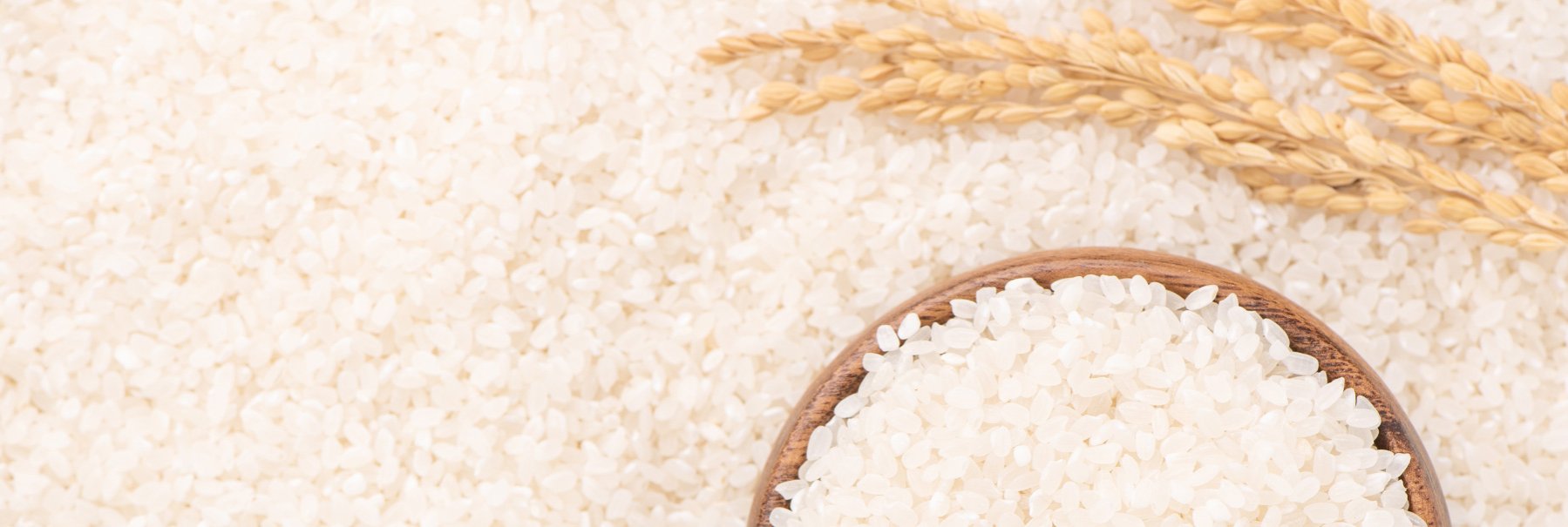
Rice & Grains
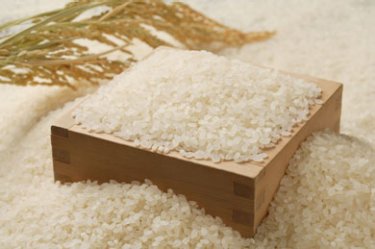
Rice & Grains
Japanese rice and grains are prized for their clean flavor and polished texture. Short-grain japonica—such as koshihikari—yields a glossy, slightly sticky bite ideal for sushi, onigiri, and donburi. Glutinous (mochi) rice is used for festive sweets and chewy applications, while barley and buckwheat appear in everyday dishes like mugi-gohan and soba. Regional terroir, milling and polishing ratios, and storage practices shape aroma, mouthfeel, and versatility across home cooking and foodservice.
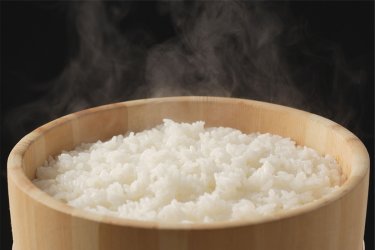
Rice/Grain
Japanese rice and grains emphasize clean flavor and texture. Short-grain japonica cooks glossy and slightly sticky for sushi, onigiri, and donburi. Glutinous rice is used for mochi and festive dishes, while barley and buckwheat appear in mugi-gohan and soba. Region, polishing ratio, and storage shape aroma and bite.

Rice Vinegar
Rice vinegar is brewed from rice for a mild acidity with subtle sweetness. Clear and aromatic, it seasons sushi rice, pickles, dressings, and sauces without overpowering other ingredients. Common types include pure rice vinegar, blended grain vinegar, and pre-seasoned sushi vinegar, each chosen for balance and clarity.
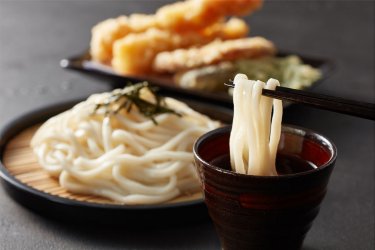
Noodles
Japanese noodles express the character of their grains. Udon uses strong wheat flour for a smooth, chewy bite; soba highlights buckwheat’s nutty aroma, enjoyed hot or chilled with tsuyu. Rice-based noodles and rice-blend flours offer a lighter, gluten-free option, linking the category to rice and multigrain staples. Shape, thickness, and flour blend determine texture and pairings—from hearty broths to cold dipping styles.
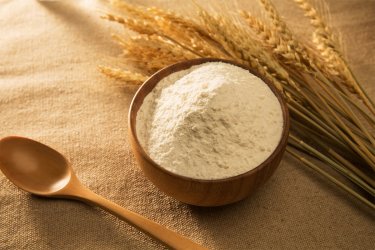
Flour
Flour in Japanese cooking spans wheat, rice, and buckwheat. Protein level and grind determine performance—soft flours for cakes and tempura batters, stronger flours for udon, fine rice flours (mochiko, shiratamako) for wagashi and gluten-free uses, and buckwheat flour for soba. Proper selection gives the desired crumb and chew.

